Houston Hurricane Roof Preparation Guide: 10 Steps to Protect Your Home Before Storm Season
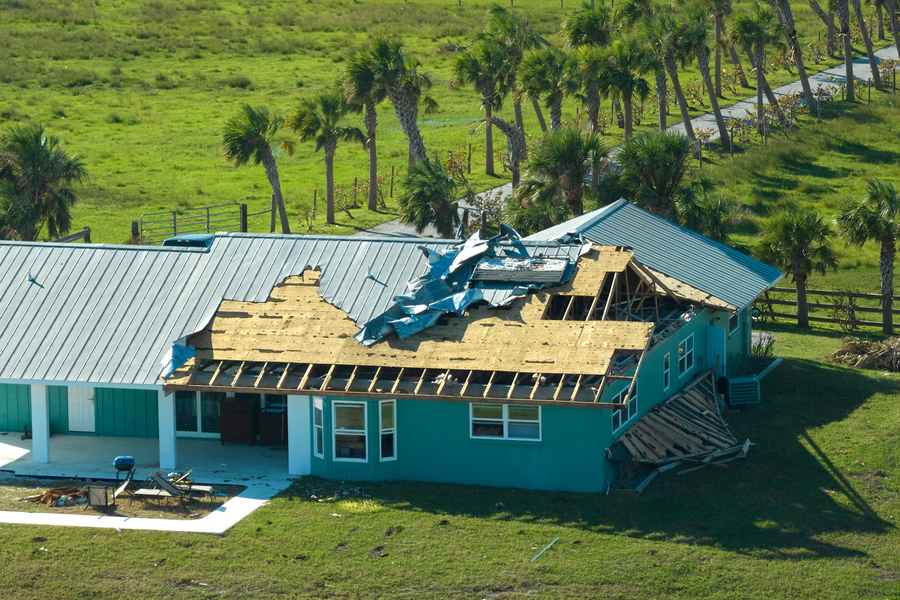
Houston homeowners know that hurricane season runs from June through November, and being prepared can mean the difference between minor repairs and catastrophic roof damage. As a Houston roofing company that's helped thousands of homeowners recover from Hurricane Harvey, Ike, and countless tropical storms, we've created this comprehensive guide to prepare your roof for hurricane season.
10 Essential Steps to Hurricane-Proof Your Houston Roof
1. Schedule a Professional Roof Inspection
Before hurricane season arrives, have a licensed roofing contractor in Houston inspect your roof for vulnerabilities. Our free inspections identify:
- Loose or missing shingles that can become projectiles in high winds
- Damaged flashing around chimneys, vents, and skylights
- Weak spots in the roof deck
- Inadequate roof-to-wall connections
- Compromised fascia and soffit areas
Pro Tip: Schedule your inspection in April or May before the rush begins and contractors' calendars fill up.
2. Replace Damaged or Missing Shingles
Even a few missing shingles create entry points for wind-driven rain. Houston's intense summer heat already stresses roofing materials—don't wait until storm season to address obvious damage. Our roof repair Houston services can quickly replace damaged shingles before they become a bigger problem.
3. Reinforce Roof-to-Wall Connections
Many older Houston homes lack hurricane straps or clips that secure the roof to the walls. These metal connectors are crucial for preventing roof lift-off during high winds. Building codes have evolved since Hurricane Ike, and retrofitting these connections significantly improves your home's wind resistance.
4. Trim Overhanging Tree Branches
Houston's beautiful oak trees provide shade but pose serious risks during hurricanes. Trim branches that hang over or near your roof—they become battering rams in 100+ mph winds. Focus on:
- Dead or diseased branches
- Limbs within 10 feet of your roofline
- Trees that could fall directly on your home
5. Clean and Secure Gutters and Downspouts
Clogged gutters cause water backup that can damage your roof, fascia, and home foundation. Before storm season:
- Remove all debris from gutters
- Ensure downspouts direct water at least 6 feet from your foundation
- Secure loose gutter sections
- Install gutter guards to minimize future maintenance
6. Check Attic Ventilation and Insulation
Proper attic ventilation prevents moisture buildup that weakens your roof deck. During hurricane season, adequate ventilation also helps equalize pressure, reducing the risk of roof uplift. Check for:
- Adequate soffit and ridge vents
- Proper insulation (R-30 to R-49 for Houston climate)
- Signs of moisture or mold growth
- Daylight penetrating through roof boards
7. Seal Roof Penetrations
Every pipe, vent, chimney, and skylight is a potential leak point. Inspect caulking and flashing around all roof penetrations. Houston's UV exposure and temperature swings cause caulk to crack and deteriorate faster than in other climates.
8. Secure or Remove Roof-Mounted Equipment
Satellite dishes, solar panels, and HVAC units need secure mounting. Loose equipment becomes dangerous projectiles during hurricanes. Verify all roof-mounted items have:
- Hurricane-rated mounting brackets
- Proper flashing to prevent leaks
- Current inspection certificates (for solar panels)
9. Document Your Roof's Condition
Before hurricane season, document your roof's current condition:
- Take photos from all angles
- Video walkthrough of interior ceilings
- Note the age and type of roofing materials
- Keep receipts from recent repairs or maintenance
This documentation proves your roof's pre-storm condition for insurance claims.
10. Know Your Insurance Coverage
Review your homeowner's insurance policy to understand:
- Wind and hail deductibles (often higher than standard deductibles)
- Actual Cash Value vs. Replacement Cost coverage
- Policy exclusions or limitations
- Claims filing deadlines after storms
What to Do If You Discover Damage
If your inspection reveals significant damage, don't delay roof repair or replacement. Insurance companies may deny claims if they determine damage existed before the storm. Address issues now to:
- Prevent claim complications
- Protect your home from storm damage
- Maintain your roof warranty
- Ensure your family's safety
Houston Hurricane History: Why Preparation Matters
Houston has experienced devastating hurricanes that caused billions in damage:
- Hurricane Harvey (2017): Category 4, over $125 billion in damage
- Hurricane Ike (2008): Category 2 at landfall, caused $38 billion in damage
- Tropical Storm Allison (2001): $9 billion in damages despite not being a hurricane
These storms damaged or destroyed hundreds of thousands of roofs across the Houston area. Homes with well-maintained, properly installed roofs fared significantly better.
Service Areas for Hurricane Roof Preparation
We provide roof inspections and hurricane preparation services throughout Greater Houston, including:
- Houston and all inner-loop neighborhoods
- Katy and West Houston
- Sugar Land and Missouri City
- The Woodlands and Spring
- Pearland and Friendswood
- League City and Clear Lake
- Cypress and Tomball
Emergency Storm Response
When hurricanes threaten Houston, our team stands ready for:
- Pre-storm roof inspections
- Emergency board-up services
- Post-storm damage assessment
- Emergency tarping and temporary repairs
- Insurance documentation and claims assistance
- Complete storm damage restoration
Schedule Your Free Pre-Season Roof Inspection
Don't wait for hurricane warnings to prepare your roof. Contact us today for a comprehensive, no-obligation roof inspection. Our certified Houston roofing contractors will identify vulnerabilities and provide honest recommendations to protect your home and family.
Ready to Prepare Your Roof?
Schedule your free hurricane preparation inspection today. Our experts will identify vulnerabilities and help protect your home.